
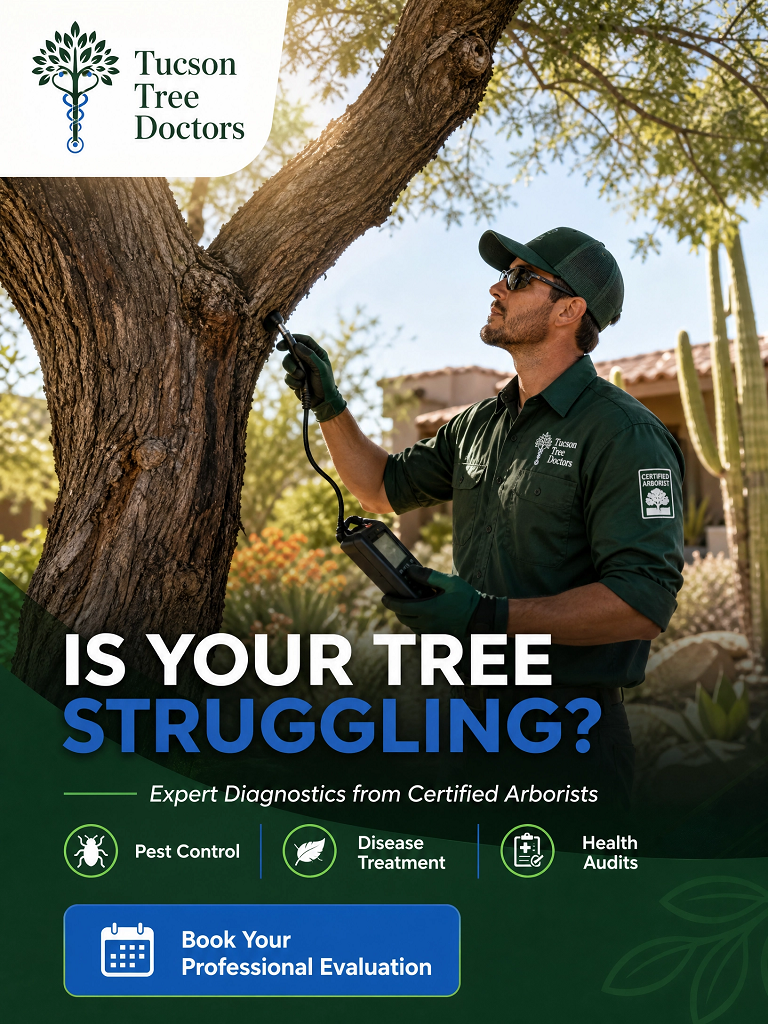
Choosing Between an Arborist and a Tree Trimmer in Tucson: Why Tucson Tree Doctors Is Your Trusted Expert
Should I hire an arborist or a tree trimmer? If you’ve ever stared at a sprawling oak or a wind‑blown mesquite and wondered who can best care for it, you’re not alone. In Tucson’s desert climate, trees face unique challenges—heat stress, monsoon storms, and limited water. Making the right choice between an arborist and a tree trimmer can protect your property, save money, and keep your landscape thriving.
Table of Contents
- What Is an Arborist?
- What Is a Tree Trimmer?
- Key Differences: Training, Certification, and Scope
- When to Hire an Arborist
- When to Hire a Tree Trimmer
- Cost Comparison: Arborist vs. Tree Trimmer
- Safety and Liability Considerations
- Environmental Impact & Tree Health
- Real‑World Tucson Case Studies
- Why Tucson Tree Doctors Stands Out
- Our Comprehensive Tree Services
- FAQs
- Ready to Protect Your Trees?
What Is an Arborist?
An arborist is a certified tree professional who combines scientific knowledge with hands‑on expertise. Arborists are trained in:
- Tree biology, physiology, and pathology
- Soil science and irrigation management
- Risk assessment and hazard mitigation
- Advanced pruning techniques that promote long‑term health
- Legal regulations and insurance requirements
Most arborists hold certifications from the International Society of Arboriculture (ISA) or the Arbor Day Foundation. In Tucson, the harsh desert environment makes these credentials especially valuable.
What Is a Tree Trimmer?
A tree trimmer focuses primarily on the aesthetic and safety aspects of tree maintenance. Their skill set typically includes:
- Selective branch removal for shape and clearance
- Seasonal pruning to control size and improve light penetration
- Basic disease identification (often limited to visual cues)
- Equipment operation (chainsaws, pole pruners, aerial lifts)
Tree trimmers may be licensed by the state of Arizona for commercial tree work, but they usually do not hold the same depth of scientific training as arborists.
Key Differences: Training, Certification, and Scope
Education & Certification
| Aspect | Arborist | Tree Trimmer |
|---|---|---|
| Formal Education | Associate’s or Bachelor’s in Forestry, Horticulture, or related field | On‑the‑job training, short courses |
| Certification | ISA Certified Arborist, Certified Tree Worker, etc. | State contractor’s license (optional) |
| Continuing Education | Required for recertification every 3‑5 years | Usually none |
Scope of Work
- Arborist: Tree health assessments, disease treatment, structural pruning, risk analysis, tree preservation planning.
- Tree Trimmer: Routine maintenance, clearance pruning, aesthetic shaping, basic stump grinding.
Liability & Insurance
Arborists typically carry higher liability coverage because they often work on larger, more hazardous jobs (e.g., tree removal after a storm). Tree trimmers may have limited coverage, which can affect your protection if something goes wrong.
When to Hire an Arborist
Consider an arborist for any situation that involves tree health, safety, or legal compliance. Below are common scenarios where an arborist is the best choice:
1. Diagnosing Disease or Pest Infestations
Arizona’s cactus moth and root rot fungi can silently kill a tree. An arborist can identify the problem, recommend treatment, and monitor progress.
2. Structural Pruning for Longevity
When a tree’s branch structure threatens future failure, a certified arborist applies the ISA Pruning Guidelines to ensure cuts promote strong growth.
3. Risk Assessment After Storm Damage
Monsoon storms can leave hidden cracks or split trunks. An arborist conducts a tree risk assessment (TRA) and provides a written report for insurance purposes.
4. Tree Preservation for Construction Projects
If you’re building a new patio or expanding a home, an arborist can develop a preservation plan that satisfies city ordinances and protects valuable canopy.
5. Large‑Scale Tree Removal
Removing a mature mesquite or palo verde often requires rigging, crane work, and permits. Arborists coordinate with local authorities and ensure safe execution.
When to Hire a Tree Trimmer
Tree trimmers excel at routine maintenance that keeps your landscape looking polished without deep intervention. Ideal situations include:
1. Seasonal Shaping and Clearance
Keeping branches away from power lines, sidewalks, or pool areas is a classic tree trimming job.
2. Light Pruning for Aesthetic Appeal
For ornamental trees such as Japanese maples or desert roses, a trimmer can shape the canopy to enhance visual interest.
3. Small‑Scale Stump Grinding
After a tree is removed, a trimmer can grind the stump to below ground level, preparing the site for replanting.
4. Routine Maintenance Contracts
Many homeowners sign annual agreements for “keep‑it‑tidy” services—perfect for trimmers.
Cost Comparison: Arborist vs. Tree Trimmer
Pricing varies by job complexity, tree size, and location. Below is a general range for Tucson homeowners:
| Service | Arborist (USD) | Tree Trimmer (USD) |
|---|---|---|
| Health Assessment (per tree) | $150‑$300 | N/A |
| Structural Pruning (per hour) | $80‑$120 | $50‑$80 |
| Storm Damage Inspection | $200‑$500 | $100‑$250 |
| Tree Removal (large, >30” DBH) | $1,200‑$3,000 | $800‑$2,000 |
| Stump Grinding (per inch diameter) | $8‑$12 | $5‑$9 |
While arborist rates are higher, the value of expert diagnosis and reduced risk of future damage often outweigh the initial cost. For routine trimming, a qualified tree trimmer provides a cost‑effective solution.
Safety and Liability Considerations
Tree work is one of the most hazardous occupations in the United States. According to the Occupational Safety and Health Administration (OSHA), there are over 600 tree‑related fatalities each year.
Key Safety Practices
- Use of personal protective equipment (PPE): helmets, chainsaw chaps, eye protection.
- Proper rigging and anchoring for large limb removal.
- Adherence to ISO 14001 environmental and safety standards.
- Insurance coverage that protects both the homeowner and the service provider.
Hiring an ISA‑certified arborist ensures that these protocols are followed rigorously. Tree trimmers who are licensed and insured still meet safety standards, but the depth of risk assessment may differ.
Environmental Impact & Tree Health
Improper pruning can cause:
- Reduced photosynthetic capacity
- Increased susceptibility to pests
- Structural weakness leading to breakage
Arborists use the “three‑cut rule” to minimize wounding and promote rapid healing. Trimmers typically focus on visual outcomes, which can sometimes conflict with long‑term health.
Desert‑Specific Considerations for Tucson
Because Tucson receives less than 12 inches of rain annually, water management is critical. Arborists can recommend:
- Deep‑root irrigation schedules
- Mulching strategies to retain soil moisture
- Species selection (e.g., palo verde, ironwood) that thrive in arid conditions.
Real‑World Tucson Case Studies
Case Study 1: Storm‑Damaged Mesquite
Problem: A 45‑year‑old mesquite suffered a split trunk after a July monsoon. The homeowner feared a total loss.
Solution: An arborist from Tucson Tree Doctors performed a detailed TRA, installed cabling, and executed a targeted structural prune. The tree recovered, saving the homeowner $2,500 in removal costs.
Case Study 2: Overgrown Desert Landscaping
Problem: A residential property had multiple ornamental trees encroaching on a pool area, creating safety hazards.
Solution: A certified tree trimmer conducted a one‑day clearance trim, removing 30+ hazardous branches. The job was completed for $850, well within the homeowner’s budget.
Case Study 3: Tree Preservation for New Construction
Problem: A developer wanted to build a patio without removing a mature ironwood that was a neighborhood landmark.
Solution: Tucson Tree Doctors’ arbor