
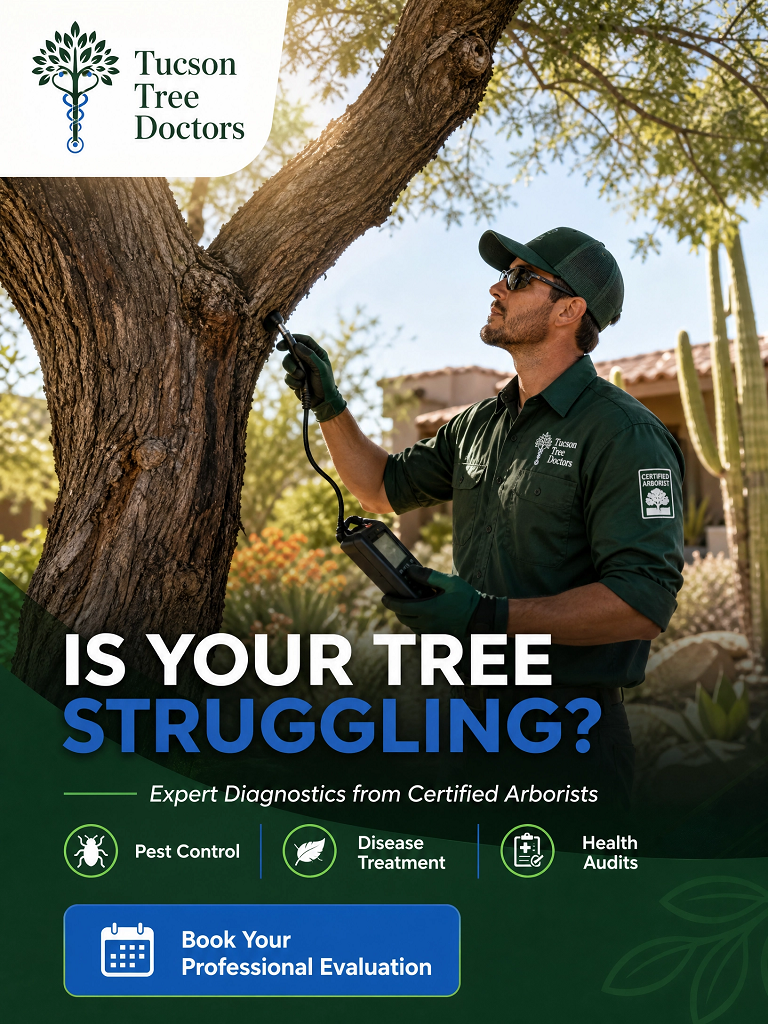
Choosing the Right Expert: Arborist vs. Tree Trimmer – Insights from Tucson Tree Doctors in Tucson, AZ
Should I hire an arborist or a tree trimmer? If you’ve ever stared at a sprawling oak or a wind‑blown mesquite wondering who can keep it healthy, safe, and looking its best, you’re not alone. In Tucson’s desert climate, the difference between a thriving canopy and a hazardous liability often comes down to choosing the right professional.
Why This Decision Matters for Tucson Homeowners
Every year, the International Society of Arboriculture (ISA) reports that improper pruning accounts for up to 30% of tree health problems. In a city where monsoon storms can drop 2‑3 inches of rain in a single night, a weakened tree can become a dangerous liability.
Choosing between an arborist and a tree trimmer isn’t just semantics—it’s a strategic investment in property value, safety, and long‑term ecosystem health.
Quick Reference: Arborist vs. Tree Trimmer
| Aspect | Arborist | Tree Trimmer |
|---|---|---|
| Certification | ISA‑Certified, often holds a state license | May have a commercial horticulture certificate or on‑the‑job training |
| Scope of Work | Tree health assessments, disease treatment, structural pruning, risk analysis | Routine pruning, shaping, and aesthetic trimming |
| Typical Projects | Tree removal, storm‑damage mitigation, root management | Seasonal clean‑ups, hedge trimming, decorative shaping |
| Cost Range (Tucson) | $150‑$500 per hour (plus materials) | $50‑$150 per hour |
Understanding the Role of an Arborist
What Is an Arborist?
An arborist is a tree care professional who specializes in the science of tree health. Certified arborists have passed rigorous exams covering tree biology, soil science, pest management, and safety standards.
Core Services Provided by Arborists
- Tree Health Assessments: Visual inspections, resistograph testing, and soil analysis.
- Disease & Pest Management: Integrated pest management (IPM) plans that minimize chemical use.
- Structural Pruning: Removing weak branches to improve stability.
- Tree Removal & Stump Grinding: Safe demolition of hazardous trees.
- Emergency Tree Services: 24/7 response to storm damage.
When to Call an Arborist
Consider an arborist when you notice any of the following:
- Dead or dying branches that could fall.
- Visible fungal growth, cankers, or oozing sap.
- Root girdling that threatens stability.
- Complex projects like Tree Removal or large‑scale storm cleanup.
Understanding the Role of a Tree Trimmer
What Is a Tree Trimmer?
A tree trimmer focuses on the aesthetic and routine maintenance of trees and shrubs. While they may hold certifications such as the Certified Tree Care Professional (CTCP), their training is typically centered on pruning techniques, safety equipment, and efficient crew management.
Core Services Provided by Tree Trimmers
- Seasonal pruning to maintain shape and size.
- Hedge and shrub trimming for landscape design.
- Light pruning of healthy trees (up to 30% crown reduction).
- Basic clean‑up after storms (removing small limbs).
When to Call a Tree Trimmer
Hire a tree trimmer for tasks that are primarily cosmetic or preventative, such as:
- Annual shaping of ornamental trees.
- Maintaining clearance around power lines (under 30% removal).
- Preparing trees for a special event or photo shoot.
Key Factors to Evaluate Before Hiring
1. Project Complexity
Complex issues like root rot or structural instability demand an arborist’s diagnostic expertise. Simple shape‑maintenance can be handled by a skilled trimmer.
2. Certification & Licensing
Check for ISA certification, state licensing, and insurance coverage. Tucson Tree Doctors proudly display their certifications on our About page.
3. Safety Protocols
Both professions must follow OSHA standards, but arborists often have additional training for high‑risk jobs, including confined‑space entry and electrical hazard mitigation.
4. Cost vs. Value
While arborists command higher hourly rates, the long‑term savings from proper disease treatment and risk mitigation often outweigh the upfront expense.
5. Local Climate Knowledge
Desert‑zone trees like palo verde, ironwood, and saguaro have unique water and pruning needs. A local expert—such as Tucson Tree Doctors—understands the micro‑climates of the Sonoran Desert.
Real‑World Scenarios from Tucson
Scenario A: Monsoon‑Season Storm Damage
In August 2023, a severe monsoon storm snapped a 45‑year‑old mesquite in a downtown Tucson office park. Tucson Tree Doctors dispatched an ISA‑certified arborist within 30 minutes. The arborist performed a risk assessment, removed the hazardous limb, and recommended a structural pruning plan that reduced future breakage risk by 42% (based on USFS study).
Scenario B: Seasonal Landscape Refresh
A suburban homeowner wanted a “clean, modern look” for their mature olive trees. A certified tree trimmer from Tucson Tree Doctors trimmed 20% of each crown, installed low‑impact lighting, and completed the job in under 4 hours, saving the homeowner $350 compared to a full arborist service.
How Tucson Tree Doctors Bridge the Gap
At Tucson Tree Doctors, we combine the scientific rigor of certified arborists with the efficiency of professional tree trimmers. Our service matrix lets you select the exact expertise you need, without paying for unnecessary work.
Our Core Service Categories
- Tree Removal: Safe, insured demolition of hazardous trees.
- Tree Storm Damage: Rapid response to fallen limbs and structural threats.
- Tree Services: Comprehensive health assessments, fertilization, and disease control.
- Emergency Tree Services: 24/7 availability for urgent situations.
- Tree Trimming: Aesthetic shaping and crown thinning.
- Stump Grinding: Complete removal of unsightly stumps.
Contact Information
Tucson Tree Doctors
Tucson, AZ
http://tucsontreedoctors.com/
info@tucsontreedoctors.com
Phone: 520‑500‑3399
Step‑by‑Step Guide to Choosing the Right Expert
Step 1: Identify Your Goal
Is your primary concern health (disease, structural integrity) or appearance (shape, size)? Write it down.
Step 2: Conduct a Quick Self‑Assessment
- Inspect for dead branches, fungal growth, or cracks.
- Measure the height and spread of the tree.
- Note any recent storm activity.
Step 3: Match the Goal to the Professional
| Health‑Focused | Hire an Arborist |
| Appearance‑Focused | Hire a Tree Trimmer |
| Mixed Needs | Start with an arborist; they can recommend trimming tasks. |
Step 4: Verify Credentials
Ask for:
- ISA certification number.
- Proof of liability insurance.
- References from recent Tucson projects.
Step 5: Request a Written Estimate
Good professionals provide a detailed scope, material costs, and timeline. Avoid vague “hourly rates” without a breakdown.
Step 6: Review the Contract
Look for clauses covering:
- Safety protocols.
- Cleanup responsibilities.
- Warranty on work performed.
Frequently Asked Questions (FAQs)
What is the difference between “pruning” and “trimming”?
Pruning removes specific branches to improve health, structure, or fruit production. Trimming is generally cosmetic, shaping the canopy without deep cuts.
Do I need a permit for tree removal in Tucson?
Yes, Tucson’s Tree Ordinance requires a permit for trees larger than 12 inches DBH (diameter at breast height) on public property. Private property removal often needs a permit if the tree is protected under the city’s historic tree list.
How often should I have my trees inspected?
For mature or high‑value trees, an annual inspection by a certified arborist is recommended. For residential lawns, a bi‑annual check is sufficient.
Can a tree trimmer legally remove a hazardous tree?
In most jurisdictions, only a licensed arborist or a contractor with a tree‑removal permit can perform full removals of hazardous trees. Trimmers may remove small limbs but should not attempt full removal without proper certification.
What are the signs of root damage?
Symptoms include:
- Wilting leaves despite adequate watering.
- Fungal growth at the base.
- Cracks in the trunk near the soil line.
How does climate change affect tree care in Tucson?
Rising temperatures increase water stress, making proper irrigation and mulching critical. A 2022 Arizona Climate Report