
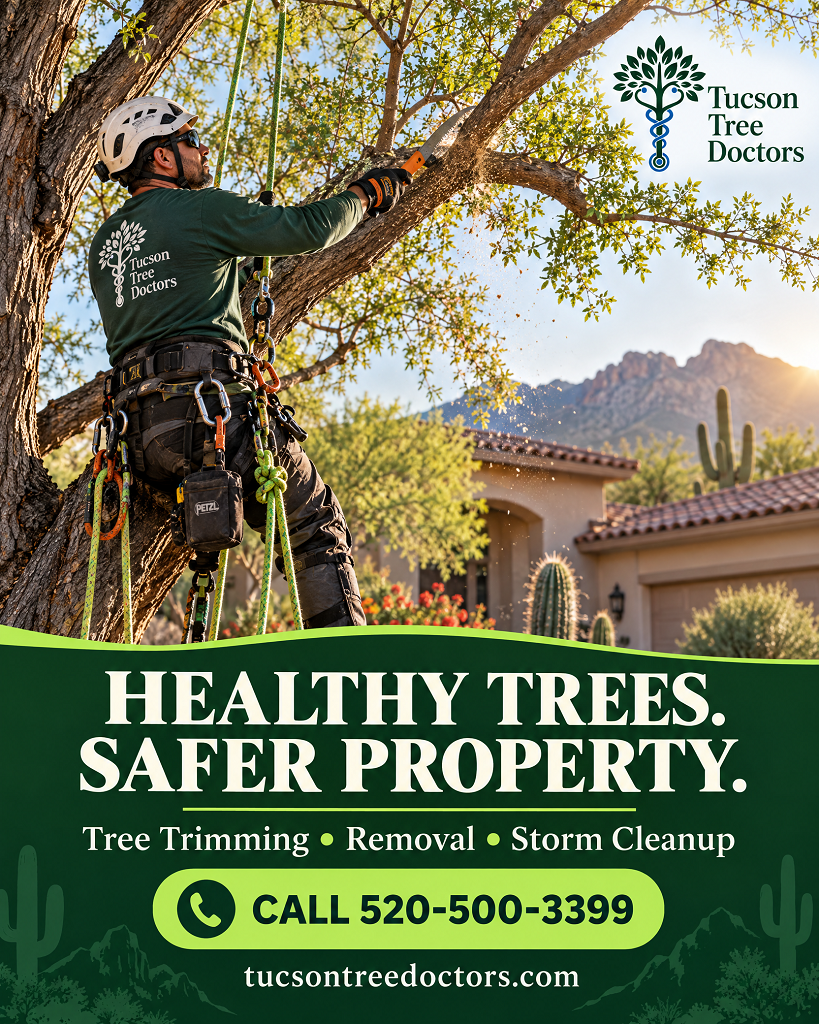
Safe Tree Removal in Tucson: The Complete Guide to Protecting Your Property
When a towering oak or a sprawling mesquite becomes a hazard, safe tree removal isn’t just a convenience—it’s a necessity. In Tucson’s desert climate, trees face unique challenges, from monsoon storms to scorching summer heat. Understanding the right process, choosing a trustworthy service, and knowing what to expect can save you money, protect your home, and keep the community safe.
Why Safe Tree Removal Matters in Tucson
Every year, Tucson experiences an average of 28 storm events that can weaken tree roots and branches. When a tree is compromised, the risk of:
- Property damage
- Power line outages
- Injuries to occupants or neighbors
increases dramatically. Safe tree removal mitigates these risks, preserves property values, and ensures compliance with local ordinances (see Tucson Tree Protection Guidelines).
Meet the Experts: Tucson Tree Doctors
Tucson Tree Doctors
Tucson, AZ
http://tucsontreedoctors.com/
info@tucsontreedoctors.com
Phone: 520-500-3399
“With years of dedicated experience serving the greater Tucson community, we’ve built our reputation on reliability, expertise, and unmatched customer service. Our team of certified professionals treats every property as if it were our own.”
Core Services Offered
- Tree Removal
- Tree Storm Damage Cleanup
- General Tree Services
- Emergency Tree Services
- Tree Trimming & Pruning
- Stump Grinding
Understanding the Tree Removal Process
Step 1: Initial Site Evaluation
Our certified arborists conduct a thorough assessment, checking:
- Tree health (using the International Society of Arboriculture standards)
- Root system stability
- Proximity to structures, power lines, and sidewalks
- Local zoning and permit requirements
Step 2: Developing a Safe Removal Plan
Based on the evaluation, we create a customized plan that includes:
- Equipment selection (e.g., crane, bucket truck)
- Safety zones for occupants and neighbors
- Environmental considerations (e.g., protecting native desert flora)
- Timeline and cost estimate
Step 3: Obtaining Permits (If Required)
In Tucson, tree removal may require a permit when the tree is larger than 12 inches in diameter at breast height (DBH). Tucson Tree Doctors handle the paperwork, ensuring full compliance with the city’s permit portal.
Step 4: Execution – The Safe Removal Day
On the day of removal, the crew follows strict OSHA guidelines:
- All workers wear PPE (hard hats, safety glasses, steel-toe boots)
- Establish a 30-foot safety perimeter around the work zone
- Use rope rigging and directional felling techniques to control fall paths
- Maintain constant communication via two-way radios
Case Study: A 45‑Year‑Old Mesquite in North Tucson
When a 45‑year‑old mesquite threatened a neighbor’s pool, Tucson Tree Doctors:
- Performed a root‑stability test (found 30% decay)
- Secured a permit and informed the homeowner of the safe tree removal plan
- Used a hydraulic crane to lift the trunk, preventing damage to the pool deck
- Completed the job in 2.5 hours, saving the homeowner $1,200 in potential repair costs.
Emergency Tree Services: When Every Second Counts
Storms can cause sudden, dangerous conditions. Our 24/7 emergency line (520‑500‑3399) ensures rapid response. Typical emergencies include:
- Fallen trees on roofs or driveways
- Branches hanging over power lines
- Trees leaning dangerously after high winds
We prioritize safety, often arriving within 30 minutes of the call, and we coordinate with local authorities when necessary.
Tree Trimming vs. Tree Pruning: What’s the Difference?
While both improve tree health, they serve distinct purposes:
Tree Trimming
- Removes dead or overgrown branches for aesthetic reasons
- Reduces canopy size to prevent interference with structures
- Typically performed annually
Tree Pruning
- Targets specific branches to enhance structural integrity
- Follows scientific guidelines (e.g., “three-cut method”)
- Often required after storm damage
Stump Grinding: The Hidden Hazard Underfoot
After a tree is removed, the stump can become a trip hazard and a breeding ground for pests. Our stump grinding service reduces the stump to 2–4 inches below grade, allowing you to:
- Plant new landscaping
- Install a patio or walkway
- Prevent root sprouting
Choosing a Certified Tree Service Provider
Not all tree companies are created equal. Look for these credentials:
- ISA Certified Arborist – Demonstrates mastery of tree care principles.
- Insurance coverage (general liability & workers’ comp)
- Positive Google reviews and BBB rating
- Transparent pricing and written contracts
Why Tucson Tree Doctors Stand Out
- All technicians are ISA Certified Arborists.
- Fully insured with a no‑damage guarantee on structures.
- Over 15 years serving the Tucson metro area.
- Average customer rating: 4.9/5 on Google (as of October 2026).
Cost Factors for Safe Tree Removal
Understanding pricing helps you budget effectively. Major cost drivers include:
| Factor | Typical Range (USD) |
|---|---|
| Tree Height | $200 – $2,500 |
| DBH (Diameter at Breast Height) | $150 – $1,800 |
| Location Complexity (near power lines, buildings) | $300 – $1,200 |
| Stump Grinding | $75 – $400 |
| Permits & Disposal | $50 – $250 |
**Tip:** Request a detailed, itemized estimate before work begins. Tucson Tree Doctors provide a free, no‑obligation quote within 24 hours of your request.
Environmental Impact: Tree Removal vs. Tree Preservation
While removal is sometimes unavoidable, preserving healthy trees is vital for Tucson’s ecosystem. Trees provide:
- Shade that reduces indoor cooling costs by up to 30% (EPA study, 2024)
- Habitat for native wildlife
- Carbon sequestration—an average mature oak captures ~48 lbs of CO₂ per year
If removal is necessary, ask about replanting options. Tucson Tree Doctors can recommend native species like Catalina Ironwood or Foothill Palo Verde that thrive in local soils.
DIY Tree Removal: Risks You Can’t Ignore
Attempting a DIY removal may seem cost‑effective, but it often leads to:
- Injury (over 2,500 tree‑related injuries reported annually in Arizona)
- Property damage (average claim $3,200)
- Legal penalties for improper permits
Professional crews have the equipment, insurance, and expertise to manage these hazards safely. When in doubt, call the experts.
Maintaining Tree Health to Avoid Future Removals
Proactive care reduces the likelihood of dangerous situations. Follow these best practices:
- Annual inspections by a certified arborist.
- Regular watering during drought months (deep soak once a week).
- Mulching to retain soil moisture.
- Timely pruning to remove weak or dead limbs.
- Soil testing and appropriate fertilization.
Seasonal Checklist for Tucson Homeowners
| Season | Key Tasks |
|---|---|
| Winter (Dec‑Feb) | Inspect for frost cracks; prune dead wood. |
| Spring (Mar‑May) | Fertilize; treat for pests (e.g., bark beetles). |
| Summer (Jun‑Aug) | Deep watering; monitor for sun scorch. |
| Fall (Sep‑Nov) | Prepare for monsoon; secure loose limbs. |
Frequently Asked Questions (FAQ)
What qualifies as a “safe” tree removal?
A safe removal follows OSHA standards, utilizes proper equipment, obtains any required permits, and includes a risk assessment to protect people, property, and the surrounding environment.
Do I need a permit for every tree removal in Tucson?
Only trees larger than 12 inches DBH generally require a permit. However, if the tree is protected (e.g., historic) or located in a floodplain, additional approvals may be needed.
How long does a typical tree removal take?
Most residential jobs are completed within 2–4 hours, depending on size and site complexity. Emergency removals may be expedited within 30 minutes of arrival.
Can I stay at home while the crew works?
We recommend keeping a safe distance—at least 30 feet—from the work zone. For larger jobs, we may ask you to vacate the premises for safety.
What happens to the wood after removal?
We offer eco‑friendly disposal: chipping for mulch, recycling for firewood, or donation to local community projects. Ask your crew about preferred options.
Is stump grinding necessary?
While optional, grinding eliminates tripping hazards, prevents pest infestations, and allows you to reuse the area for landscaping.
How often should I have my trees inspected?
At least once a year, or after major weather events (monsoons, high winds).
How to Schedule Your Safe Tree Removal Today
Ready to protect your home and enjoy peace of mind?
- Call us now: 520‑500‑3399
- Email: info@tucsontreedoctors.com
- Online Form: Request a Free Quote
Our friendly team will